The forming process of paper cups in paper cup machines is a highly automated and sophisticated process involving multiple steps and key links. The following is a detailed introduction to the process, summarized in a clear point format:
1. Raw material preparation
Paper selection: Select food-grade paper that meets the requirements. Most of these papers are imported from Europe and the United States and have high quality and grade.
Laminating treatment: Coat the surface of the paper with a very thin layer of plastic material (such as PE laminating) to enhance the oil and water resistance of the paper. This step is the key to the paper cup being able to hold beverages and soups for a long time.
2. Printing and slitting
Pattern printing: Use food-grade ink to print the required pattern or logo on the paper. Printing methods include letterpress, gravure and flat printing, among which letterpress printing is more commonly used.
Slitting treatment: Cut the printed paper to obtain rectangular paper sheets for the wall of the paper cup and roll paper for the bottom of the paper cup.
3. Preparation before forming
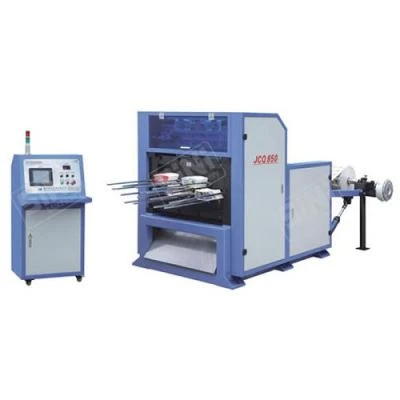
Die-cutting fan-shaped paper: Cut the slit paper into fan-shaped paper, which is the unfolded shape of the paper cup wall.
Combining paper and cup bottom: Prepare the fan-shaped paper (cup body) and the cut roll paper (cup bottom) for subsequent forming process.

4. Paper cup forming
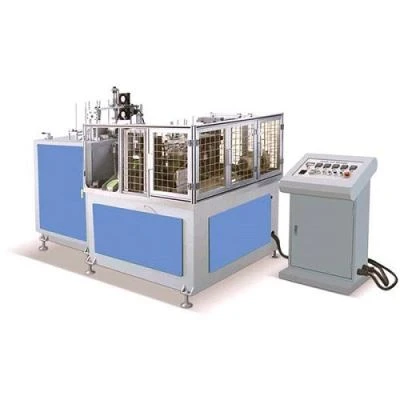
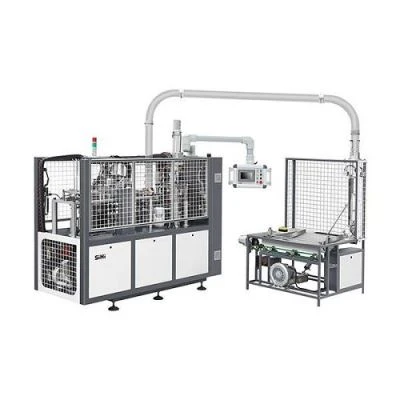
Automatic paper feeding: The paper cup forming machine automatically feeds the fan-shaped paper and the cup bottom into the forming area.
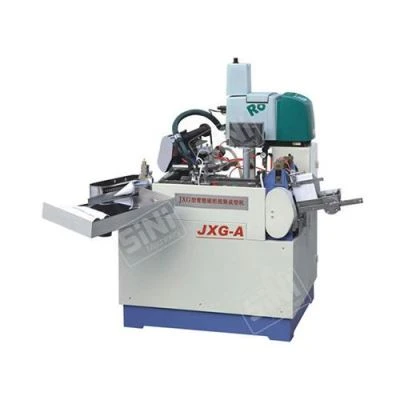
Roll forming: Under the extrusion of the forming roller, the fan-shaped paper is rolled into a cylinder, and the cup bottom is installed and bonded to the bottom of the cylinder.
Side seam bonding: While the roll is being formed, glue is applied to the side seam and bonded to ensure the sealing of the paper cup.
Bottom folding and gluing: The cylindrical paper cup roll passes through the bottom folding device, folds the bottom paper, and applies glue at the bonding point, and sticks the pre-cut paper or plastic film to the bottom.
Lace rolling: Lace rolling is performed at the mouth of the paper cup to enhance the strength and beauty of the paper cup.
5. Post-processing and quality inspection
Drying and shaping: The formed paper cups are dried and shaped by the drying device to remove excess water.
Cooling: The paper cups are cooled in the cooling device to reach room temperature.
Finished product collection and quality inspection: The cooled paper cups are automatically collected by the collection device and the shape, integrity and cleanliness are inspected.
6. Packaging and shipment
Disinfection and packaging: After disinfection, qualified paper cups are sealed and packaged in plastic bags.
Packaging and shipment: The packaged paper cups are packed and ready to be shipped to customers.